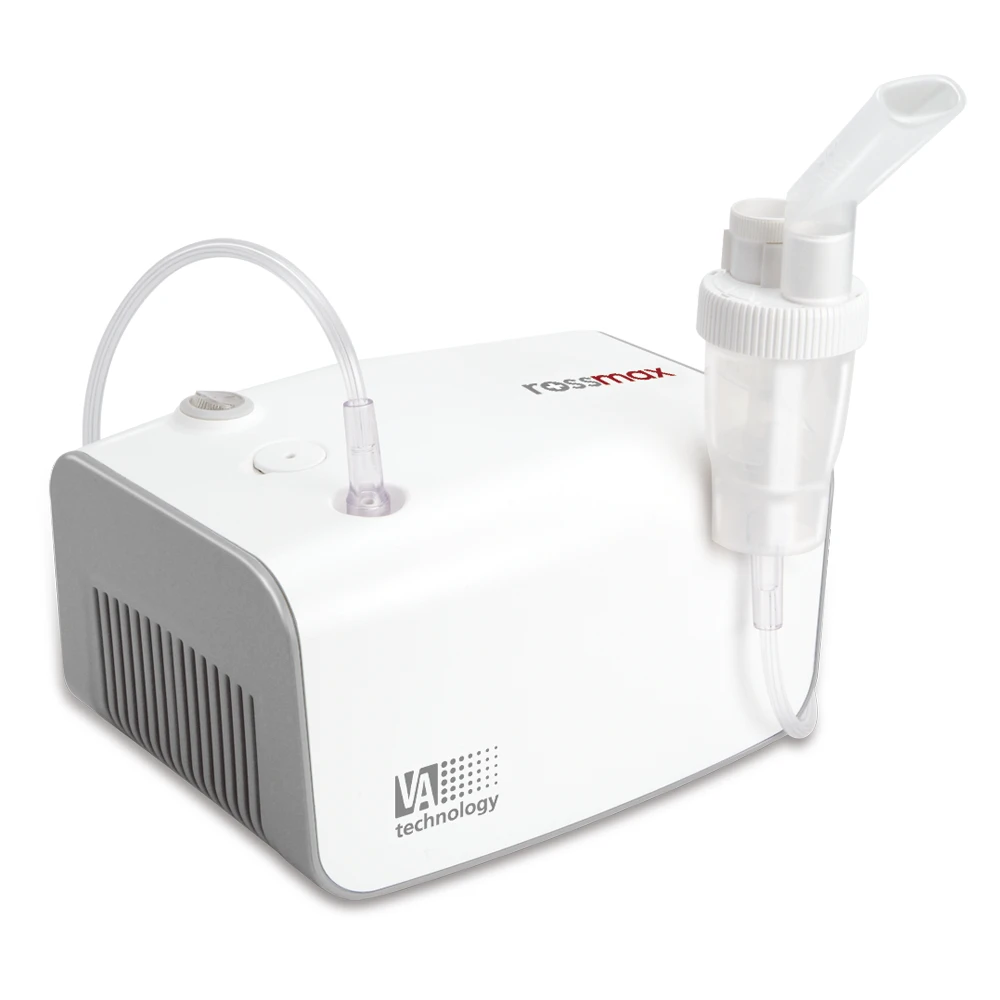
A nebuliser is a machine that helps you to breathe in medicine as a fine mist through a mask or a mouthpiece. In this Blog, we explain who can benefit from using a nebuliser as part of their treatment. We also explain what medications can be delivered by nebulisers.
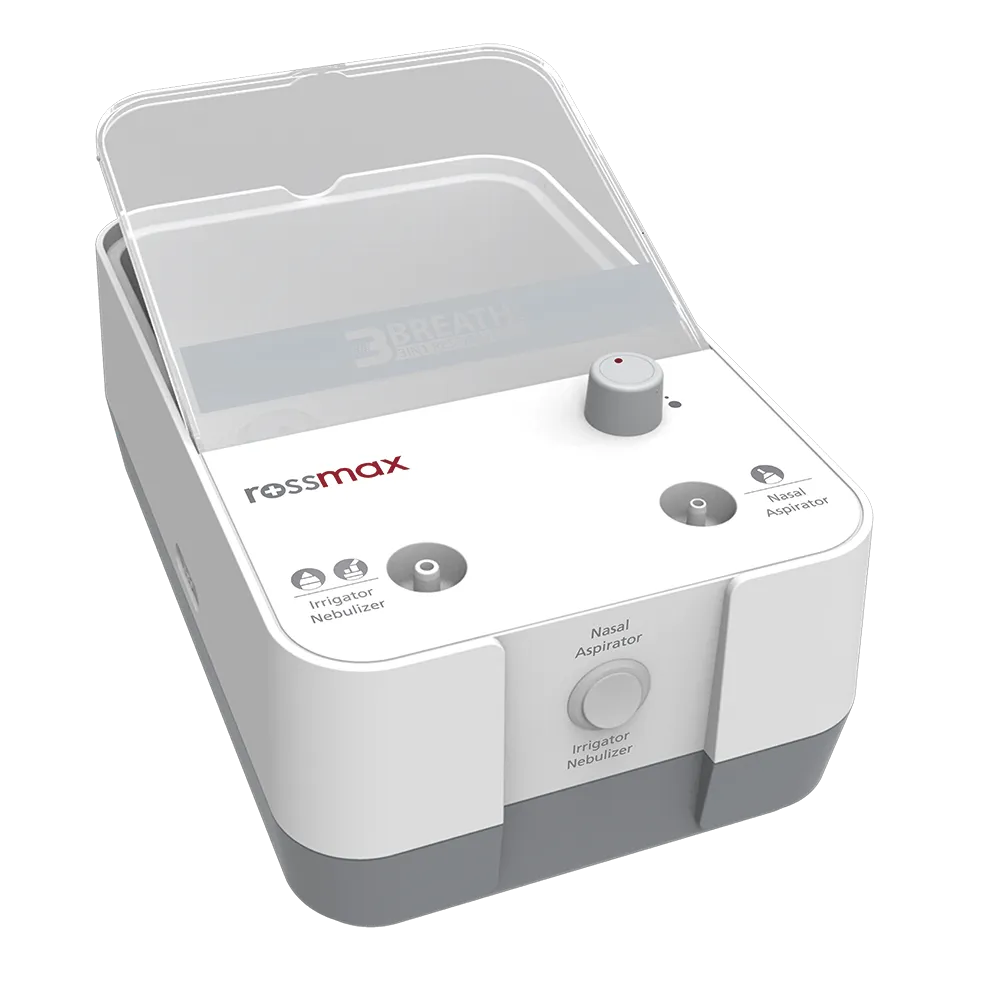
Medications delivery by a nebuliser
Is a nebuliser appropriate for my lung condition?
In order to treat your lung condition, you may be offered medications delivered by a nebuliser. In this case, your doctor will decide based on your condition. There are some lung conditions that do not require treatment with a nebuliser.

Chronic obstructive pulmonary disease (COPD)
Chronic obstructive pulmonary disease, or COPD, refers to a group of diseases that cause airflow blockage and breathing-related problems. It includes emphysema and chronic bronchitis.
As part of your usual treatment for COPD, nebulisers are no more effective at delivering drugs than handheld inhalers. However, if your condition is severe, you may need to use a nebuliser in the hospital for a short time. In some circumstances, your consultant may arrange for you to use a nebuliser at home.
Cystic fibrosis
Cystic fibrosis is a disorder that damages your lungs, digestive tract and other organs. It’s an inherited disease caused by a defective gene that can be passed from generation to generation.
Cystic fibrosis affects the cells that produce mucus, sweat and digestive juices. When you have cystic fibrosis, you can use a nebuliser to deliver medications to manage mucus build-up and other symptoms.
Pulmonary fibrosis
Pulmonary fibrosis is a lung disease that occurs when lung tissue becomes damaged and scarred. This thickened, stiff tissue makes it difficult for your lungs to work properly. As it worsens, you become more short of breath.
For people with pulmonary fibrosis, including idiopathic pulmonary fibrosis (IPF), saltwater solution can be used to help manage mucus build-up.

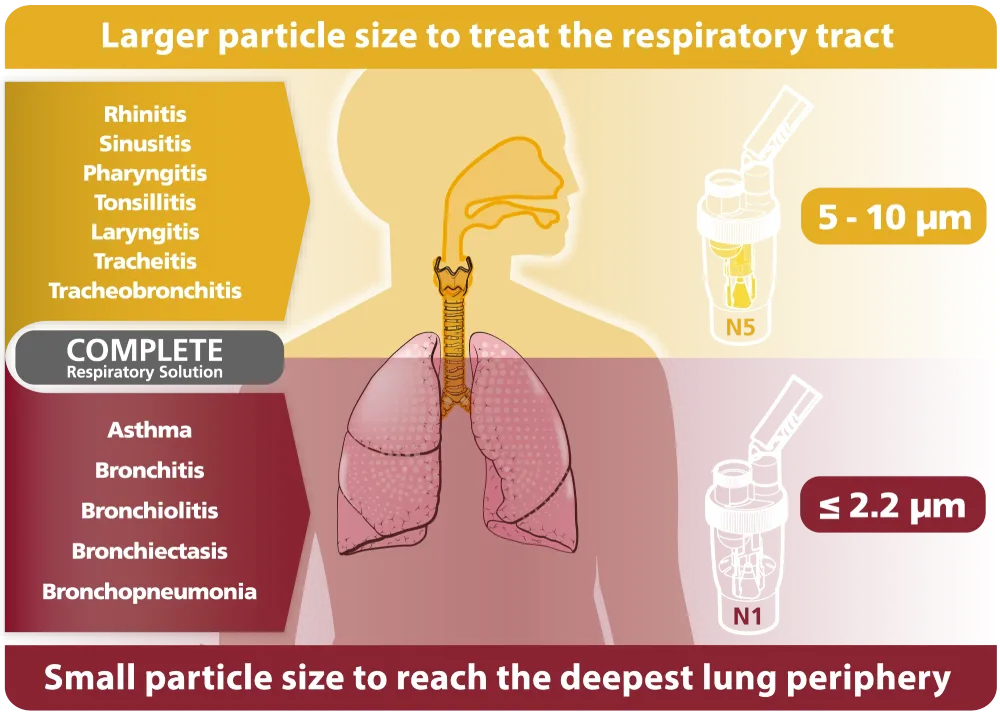
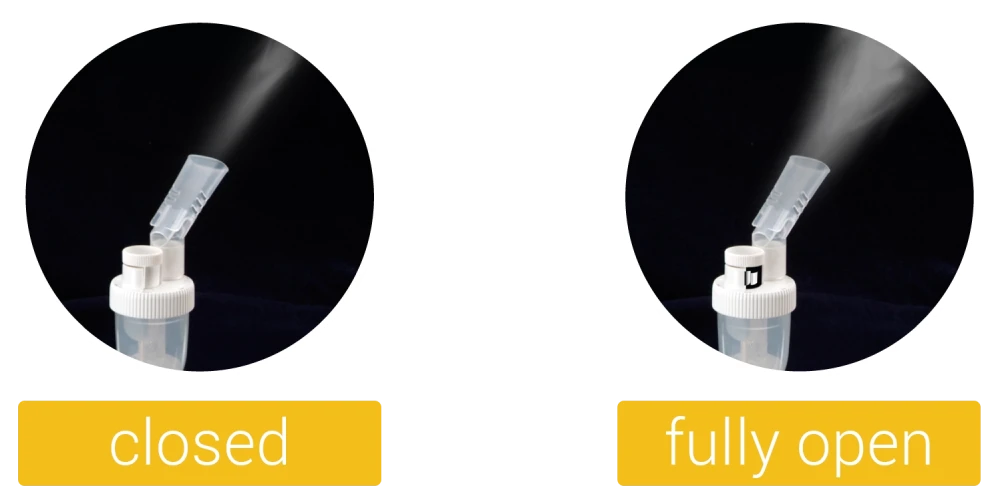
High nebulisation rate/full open is for high viscosity medications and high breathing capacity user while low flow rate with close valve will be more appropriate for kids / infants with lower breathing capacity. Thanks to the reduction of wasted medication, VAT is also recommended for respiratory disorders such as COPD and Asthma as well as intensive use in general. The following Nebulisers are equipped with our VA Technology.
Benefits of Nebuliser therapy
Nebuliser therapy at home delivers medication directly to the lungs, where it is needed and can be most effective. As a result, this kind of therapy works more quickly and gets better results with smaller doses than pills or injections. Although the lungs can only absorb 10–15% of the medication they receive, the American Association for Respiratory Care says that using nebulisers correctly is particularly important. There are many types of medications that can be used with nebulisers. Multiple types of medications can be delivered simultaneously with a nebuliser. Due to the fact that nebulisers require smaller doses of medication to be effective, home nebuliser therapy may lead to fewer undesirable side effects than other forms of therapy. The average home nebuliser therapy session lasts 15 to 25 minutes.
Home Nebulisers: Essential Components
Health problems, particularly those affecting the lungs, can be treated with home nebulisers, but people must use their nebulisers properly to get the best results. These are the essential components of a home nebuliser therapy system:a